The Latest
Behind every well-coordinated building project is a team working to ensure that design intent translates accurately into construction reality. Architectural BIM professionals are at the center of this process, creating detailed digital models that help architects, engineers, contractors, and clients work from a single source of truth.
As project complexity continues to increase, companies are actively seeking professionals who can bridge the gap between design and execution through BIM technology. This growing reliance on digital building models has made Architectural BIM one of the most promising and in-demand career paths within the AEC industry today.
What is Architectural BIM?
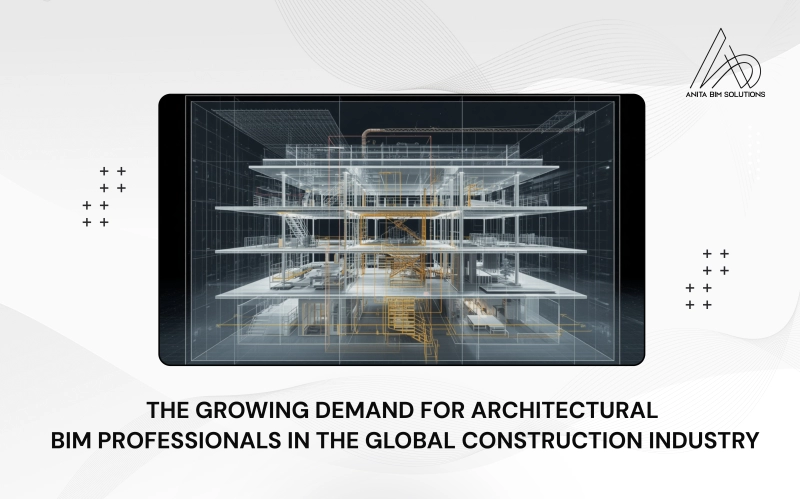
Architectural BIM is the process of creating intelligent 3D digital models that contain detailed information about a building's architectural components. Unlike traditional 2D drafting, BIM models provide accurate, data-rich representations of walls, doors, windows, floors, roofs, finishes, and other building elements.
These models serve as a central source of information throughout the project lifecycle, supporting design development, coordination, construction, and facility management.
Architectural BIM professionals are responsible for developing, managing, and coordinating these models to ensure project accuracy and efficiency.
Governments, developers, and construction companies worldwide are increasingly mandating BIM implementation for construction projects. Many countries have already established BIM standards and requirements for public infrastructure projects.
As BIM becomes the industry standard, companies need skilled professionals who can create, manage, and coordinate BIM models effectively.
2. Increased Focus on Collaboration
Modern construction projects involve multiple disciplines, including architecture, structural engineering, MEP engineering, contractors, and consultants. BIM enables seamless collaboration between these stakeholders through a shared digital model.
Architectural BIM professionals play a critical role in ensuring that architectural models integrate smoothly with structural and MEP systems, helping teams avoid conflicts and improve project coordination.
3. Demand for Faster Project Delivery
Construction companies are under constant pressure to deliver projects faster while maintaining quality and controlling costs. BIM helps streamline design workflows, automate documentation, and reduce rework.
As a result, organizations actively seek BIM professionals who can contribute to efficient project delivery and support digital construction processes.
4. Reduction of Construction Errors
Design conflicts and coordination issues can lead to costly delays during construction. BIM allows project teams to identify and resolve potential issues before work begins on site.
Architectural BIM professionals help create accurate and coordinated models that significantly reduce errors, change orders, and project risks.
Key Roles in Architectural BIM
The growing BIM industry has created various specialized career paths, including:
Each role contributes to different aspects of project development, coordination, and BIM implementation.
To succeed in today's BIM-driven construction industry, professionals need a combination of technical and practical skills.
Some of the most sought-after skills include:
Professionals who possess both software expertise and practical project knowledge are often the most valuable to employers.
Architectural BIM skills are in demand across a wide range of sectors, including:
As BIM adoption expands, opportunities continue to grow in both local and international markets.
Career Opportunities and Global Demand
The global demand for BIM professionals is particularly strong in regions such as:
Many multinational design firms, engineering consultancies, and construction companies actively recruit BIM professionals to support large-scale projects.
For architects and engineering graduates, BIM skills can significantly improve employability and open doors to international career opportunities.
Conclusion
The growing demand for Architectural BIM professionals reflects the construction industry's shift toward more efficient, collaborative, and technology-driven project delivery methods. As BIM becomes the global standard for building design and construction, professionals with Architectural BIM expertise are well-positioned for rewarding career opportunities across various sectors and regions.
At Anita BIM Solutions, aspiring BIM professionals gain practical, project-based training that aligns with real industry requirements. Through hands-on learning, live project workflows, and expert guidance, students develop the skills needed to succeed in today's competitive BIM environment. For those seeking one of the best BIM online courses in Kochi, Anita BIM Solutions provides industry-focused training designed to help learners build successful careers in the evolving world of BIM and digital construction.